As of today, November 9, 2026, I’m starting my internship at Tell No Lies studio. The studio was founded by Elsy (Lead Programmer) and Jasmine (Lead Artist), and they’re currently working on their first game, Desktop Dragon. The Steam page description reads as follows:
“Desktop Dragon is the cosy on-screen adventure. Adopt and raise your own digital companion that will liven up your day to day life. Explore the relaxing mini games by yourself, or invite a friend to play along.“
I’m still in the process of transitioning into the studio and getting a greater understanding of the game, but my main focus will be all things animations, making those cosy little dragons dance. I also hope to get involved in other aspects of the game and studio as well, but only time will tell.
In any case, given what I wrote in this session, I was very happy to learn that this would be where I’ll be spending my time for the foreseeable future. I’m beyond excited and grateful to both Elsy and Jasmine for the opportunity, the time and mentorship, and providing me with a platform to work, learn and grow as an animator.
I’ve spent the past few days trying to figure out what to say. A combination of “nothing comes to mind” and “everything at once” has scrambled my brain over how to articulate my feelings.
BioWare has been shut down, and the next Mass Effect cancelled alongside it. Reading about any studio closure will always suck, but this one hit hard. Its legacy is unquestionable, leaving an imprint in games people have fallen in love with over the span of decades, sometimes without a full understanding of what it is that makes them so great. Follow the breadcrumbs back long enough and BioWare’s lineage turns up where you might not expect it, in games like Baldur’s Gate 3 and The Witcher, not to mention their influence on the RPG genre as a whole.
Personally, the Mass Effect trilogy is my favourite collection of games ever, and it’s as heartbreaking as it is infuriating to see that corporate “restructuring” has once again gotten in the way of creativity, imagination, art, developers and players.
To everyone affected by this situation, I hope you land on your feet and continue to do what you love once you’ve reached the light at the end of this tunnel. As dark as things are right now, with hope in short supply, I’ll use what little footprint I have in this corner of the internet and say that I am hopeful that this is not the last we’ll see of you… or Mass Effect.
The latest course in school was Audio and Music. I’ve always had a fascination with audio in games, always tried to pay attention to how subtle or bombastic or detailed sound effects were and how (or if) they add to the overall experience. I think about it even more after discovering the Extraction genre a few years ago and how heavily integrated audio design is to the core gameplay.
But I’ve never envisioned or thought of myself as an audio engineer. Doing this full-time has never been an aspiration of mine. I think this course cemented that feeling, but it also gave me perspective and opened me up to the understanding that there are ways I can take my learnings and apply them to my own work, such as adding music, ambiance and SFX to an animation reel.
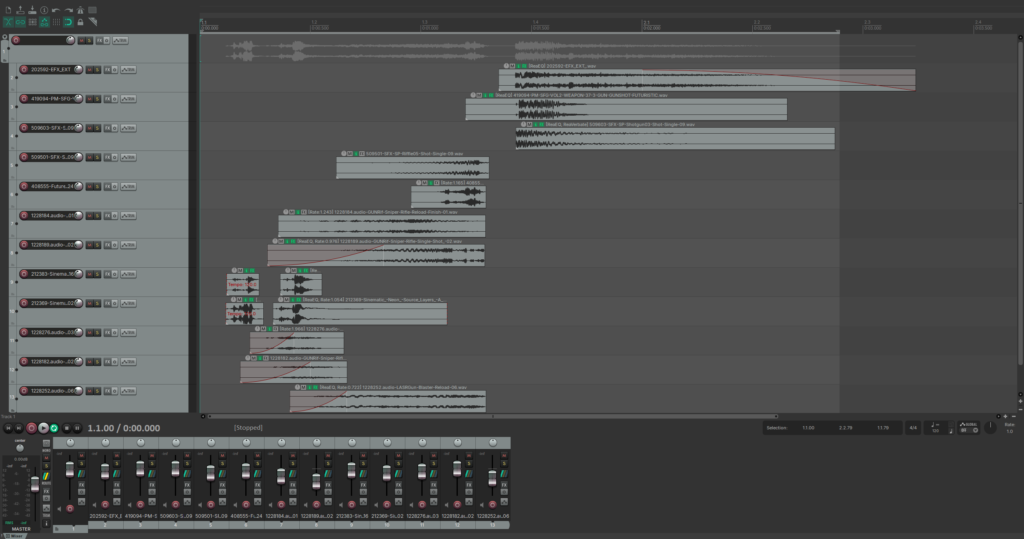
While we were given the option to work with any software we wanted. I used Reaper. The main reasons being: 1) It’s free as long as I keep “evaluating” it. 2) Most, if not the entire course was based on Reaper. 3) I had no point of reference, only knowing software by name but never working with any of them. Everything about this course was new to me, and that included the tools.
We were also given the freedom to choose what we wanted to work on, be that music, sound effects, foley, ambiance, voice-over or implementation. I decided to go for SFX. In particular, I wanted to try and learn how to take existing sounds, combine and manipulate them to a point of creating new sounds. Mostly because my recording equipment only extends as far as the microphone on my iPhone. I’m sure I could make it work somehow, but I’m a beginner in this space and thought it’d be wise to not get overly ambitious.
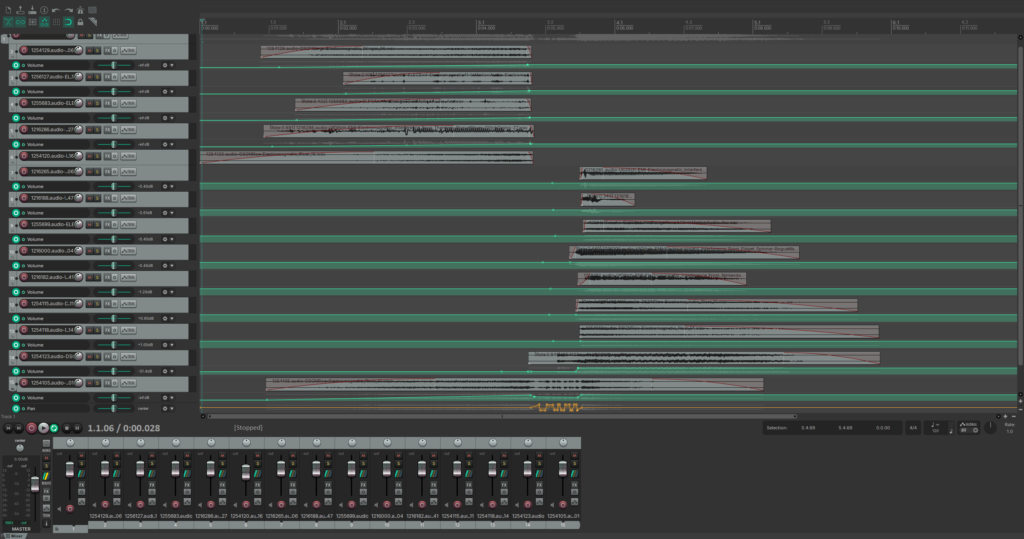
The image above mostly represents my workflow throughout the course. This “Charged Shot” effect, as well as everything else, always started by adding numerous sounds, everything between 2 and 30+ (sometimes more) free assets downloaded from various sources (mainly Soundsnap and Pixabay).
Second step was to figure out the end result I was after and then filter through all the assets, see which ones fit my idea of how I wanted the final effect to sound.
Once I had a few assets I liked, the third step was to just start playing around with them. Combine them, stretch them, compress them, cut them up, spread them apart, fuse them together. Change the pitches, the tones, the EQs, the frequencies. Make them wet, make them dry. Raise and lower the volumes, pan the sound. You get the idea… manipulate and distort them into becoming something new and different.
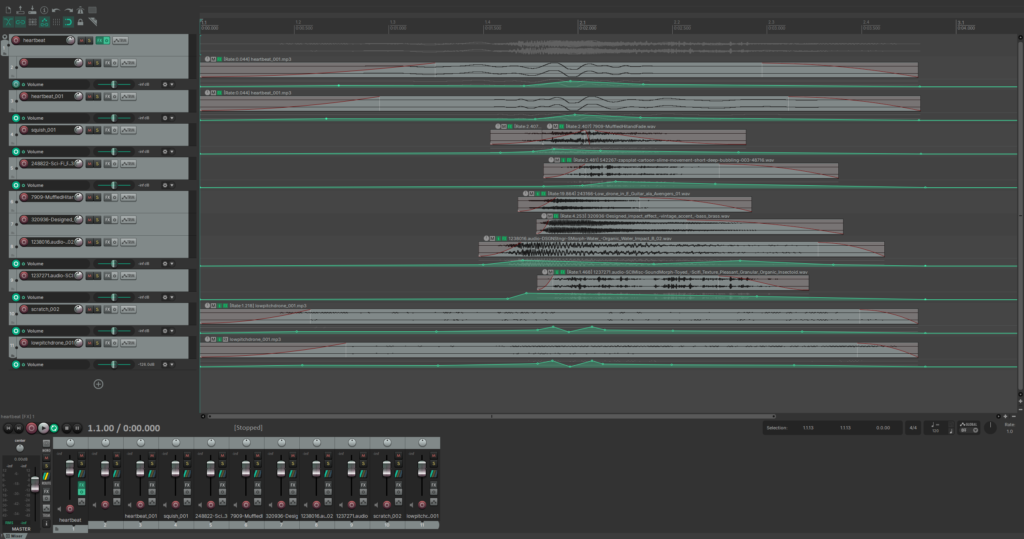
Below are another two examples.
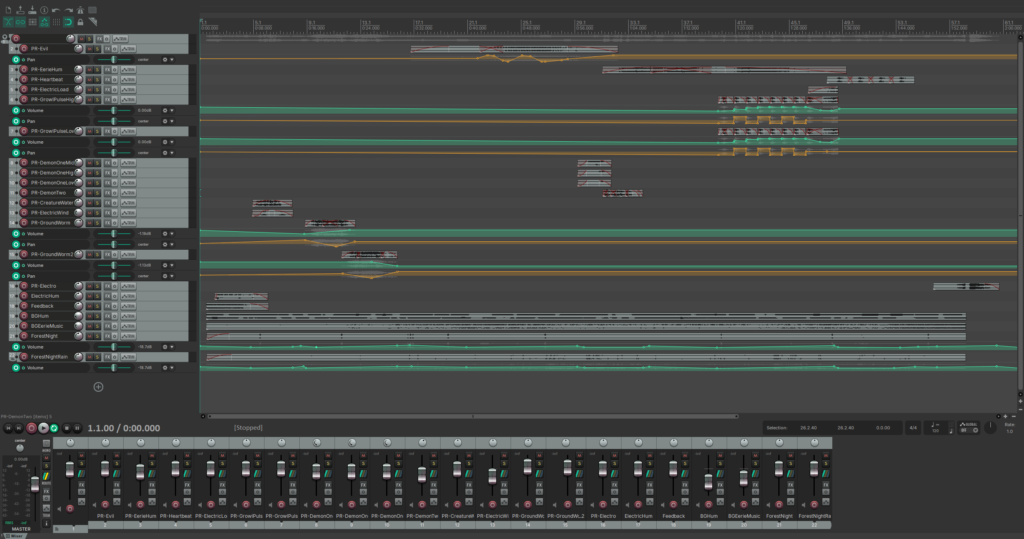
Eventually, I wanted to create a “scene” so to speak, imagine a place, add some subtle, eerie background ambiance and then layer as many SFX on top as time would allow before handing in the assignment. No real coherence to the SFX other than I wanted them to blend in with the overall vibe of the scene.
For context: If you zoom in on the image below and check the names to the left, every track that starts with “PR”, every one of those SFX were created and manipulated into becoming something new using the workflow I detailed above. The bottom tracks, which are the ambient sounds, have only slightly been altered to fit the idea I had, but not to the point of transforming into something wildly different compared their original versions.
This was not about creating the perfect soundscape. This was about repetition and iteration in order to learn the software and get more comfortable not only using it, but to the idea and workflow of creating sounds that could potentially be implemented into a game, into a cutscene or a visual effect, etc.
What you see and hear above is the final edit for the assignment.
After aimlessly spending half my life not knowing what to do for a living, jumping from one job to the next just surviving on a monthly basis, it was time to make a change. And so, in August 2025, I went back to school and started studying Game Education at Valla Folkhögskola in Linköping, Sweden, a two-year educational program covering a broad variety of disciplines and roles within the games industry. It was perfect for me as I knew I wanted to work in games but not sure with what specifically.
I set myself a goal for the first year, and I kept it simple: No need to learn, understand or even like everything, just find that one thing that clicks which will allow for the next step in the journey.
After five or six months, I was beginning to feel pressure, stressed out. So many interesting courses up to this point, stuff I’d love to know and learn more about, yet none that really resonated with me, that made me go, “yes, this is what I want to do, this is what I want to work with.”
But as we were reaching the end of the first year, we briefly went into VFX (which definitely caught my attention), shortly followed in a more outstanding fashion, by animation. I finally found what I was looking for.
This is when things finally snapped into place. I was already looking forward to this course ahead of it, and not only did it meet whatever abstract expectations I had, but it surpassed them. A big reason for this was our guest lecturer, Nils Folker (big shoutout to you). I was hooked and I knew then and there that I’d finally reach my elusive goal just as we were closing in on the end of the first year.
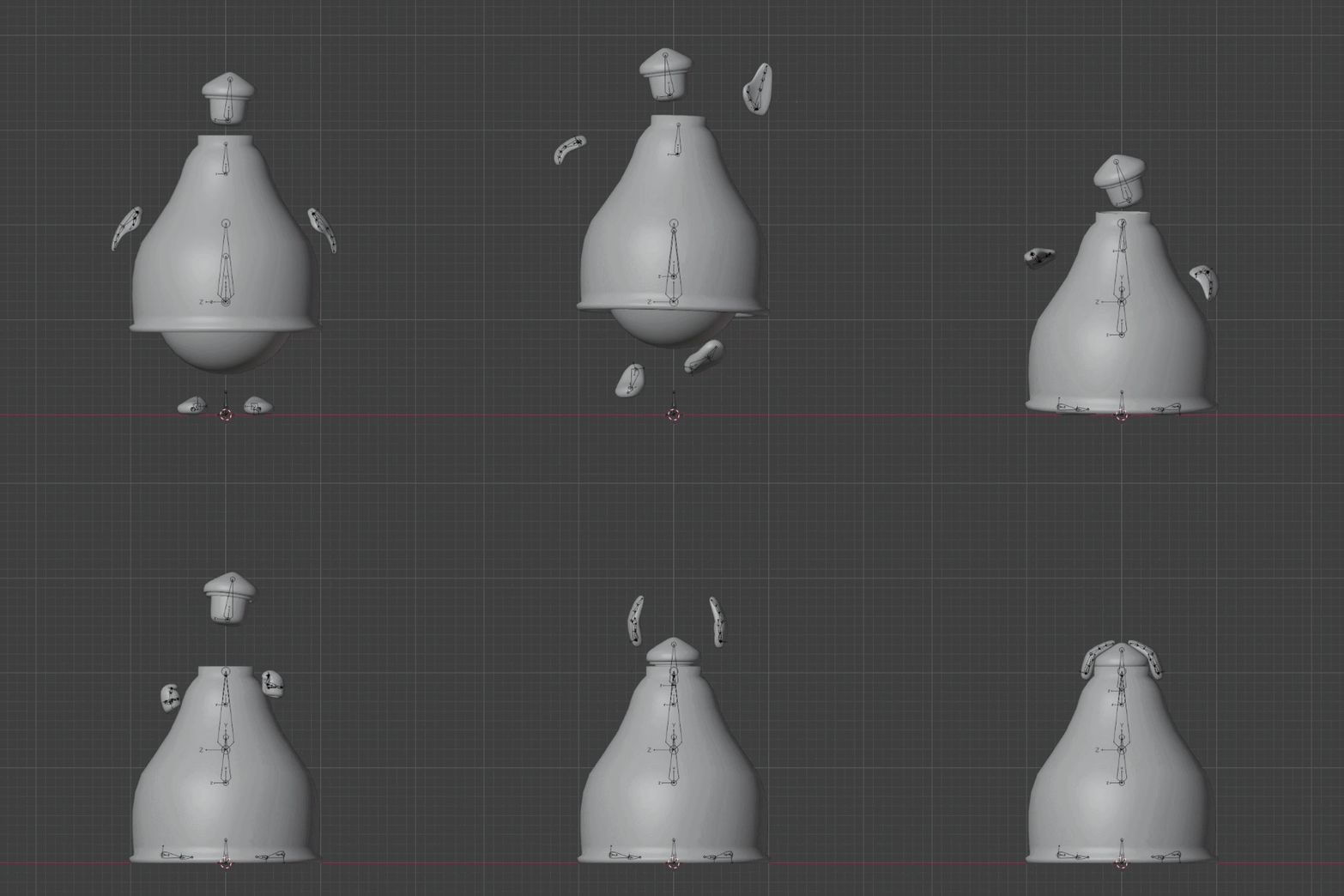
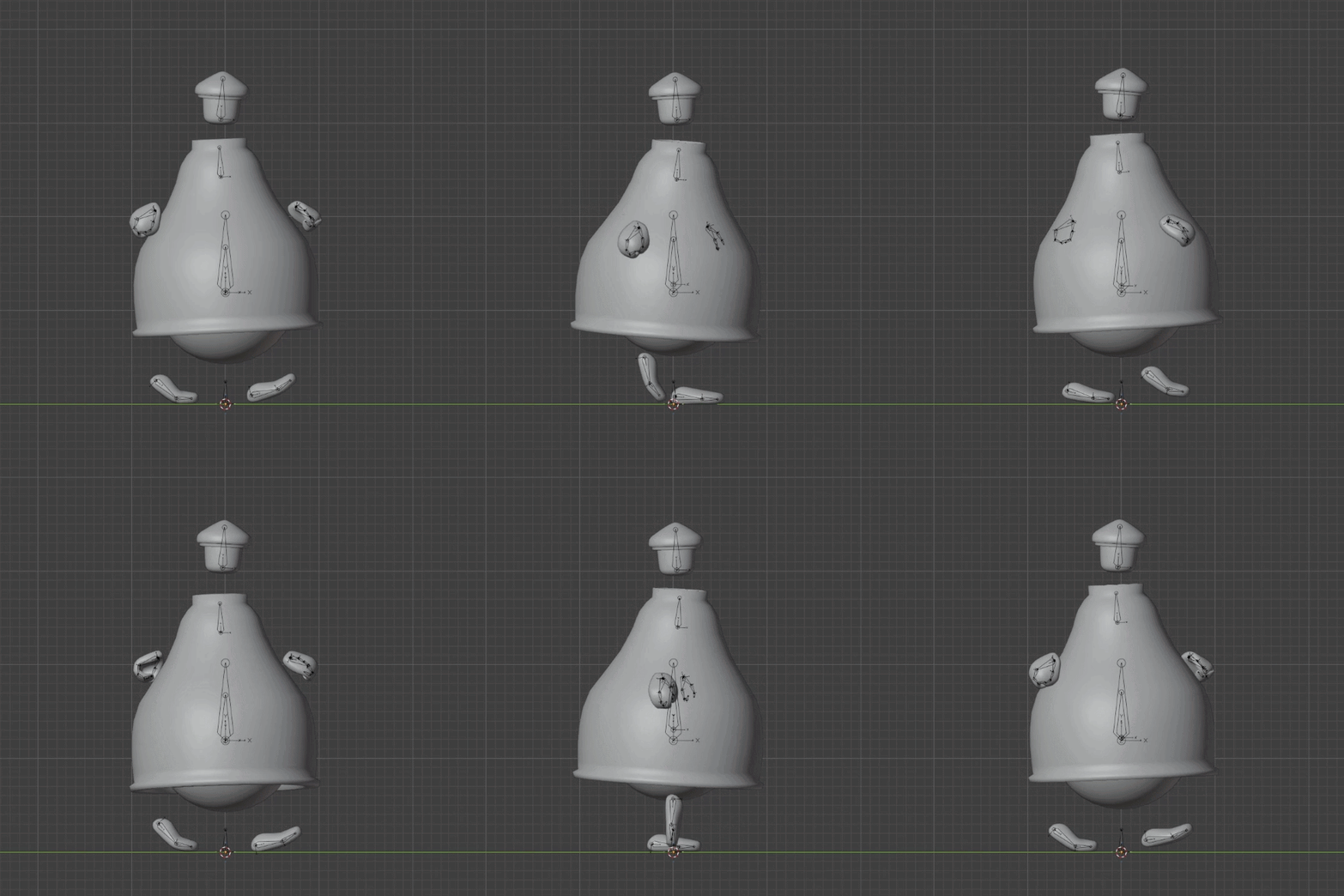
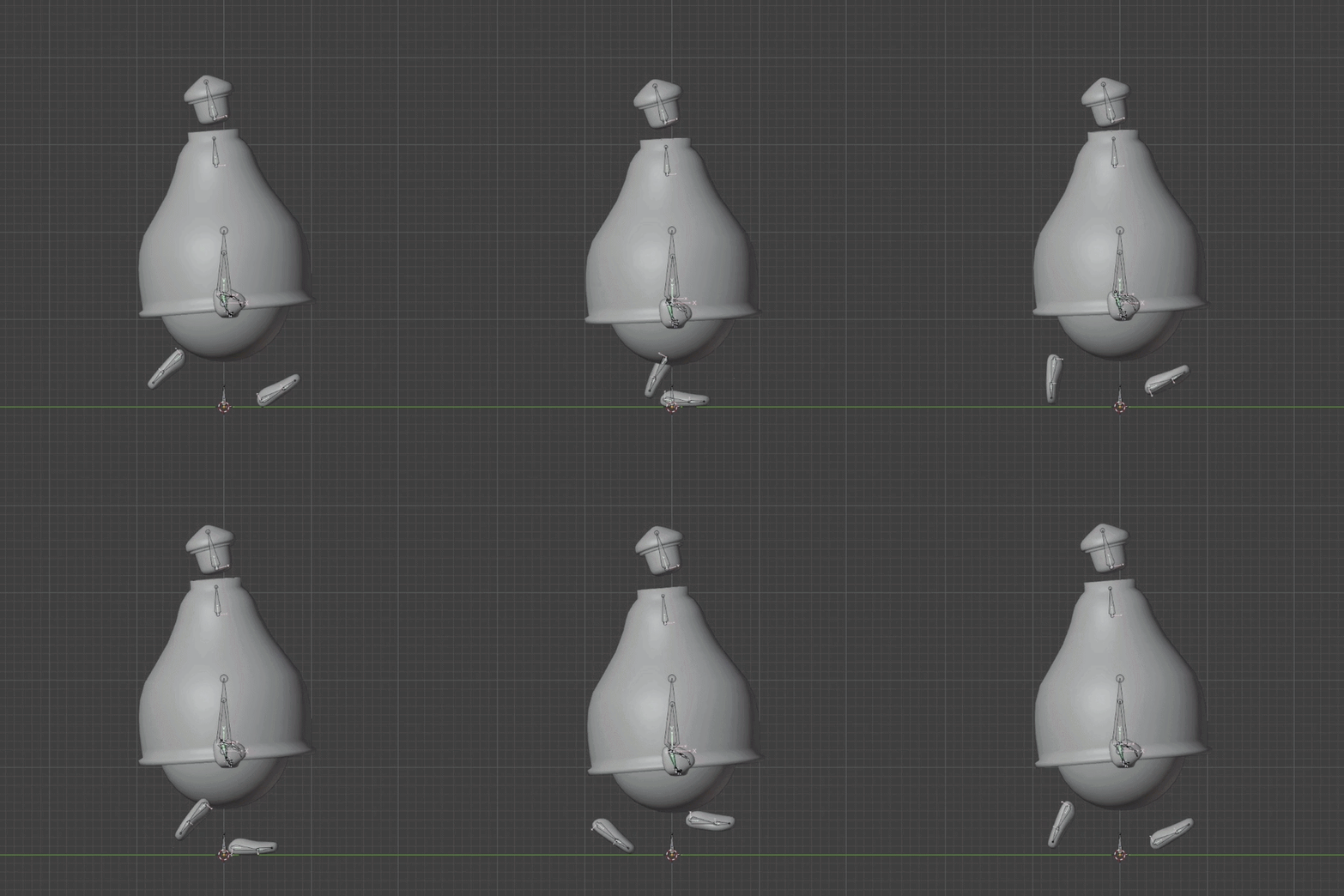
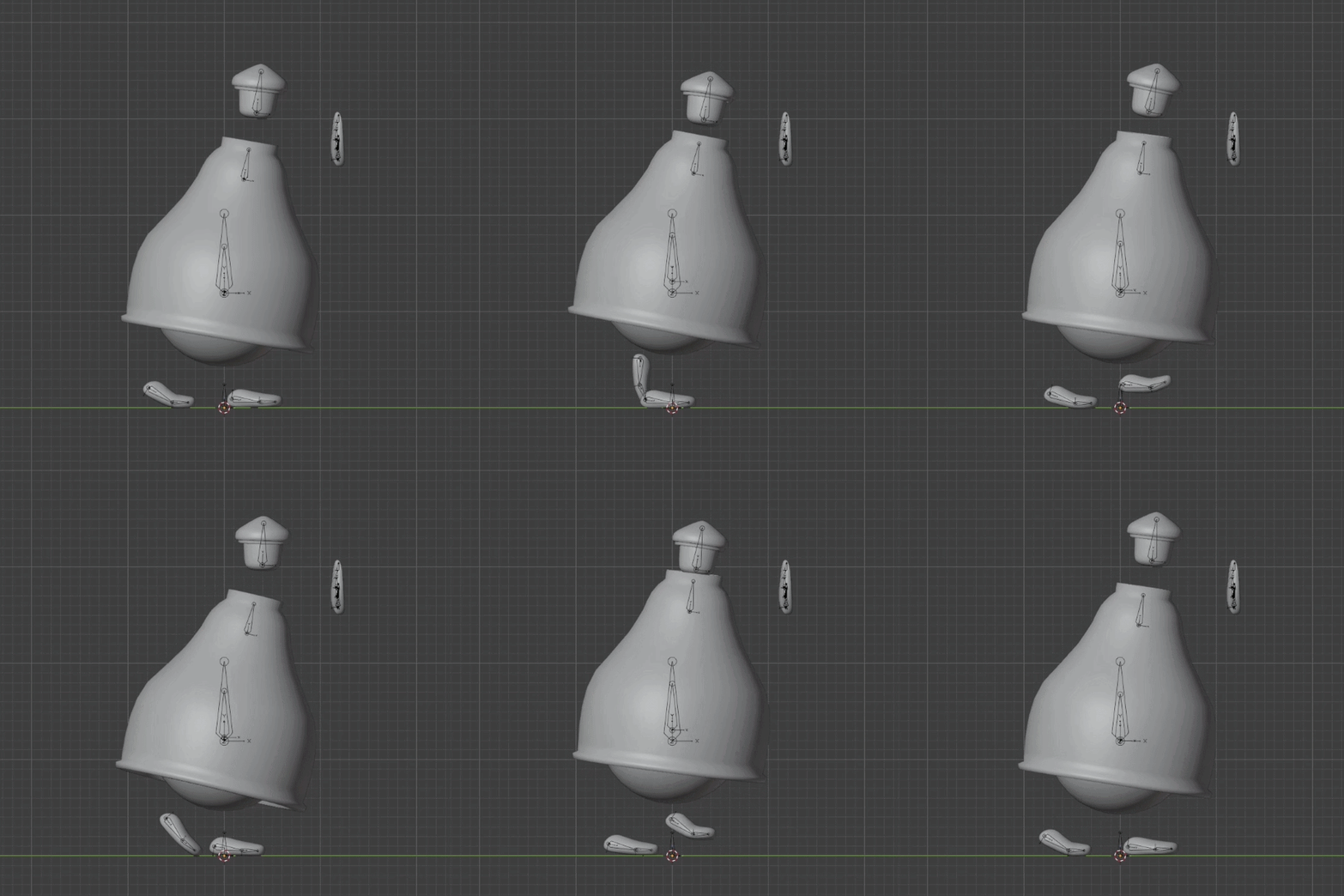
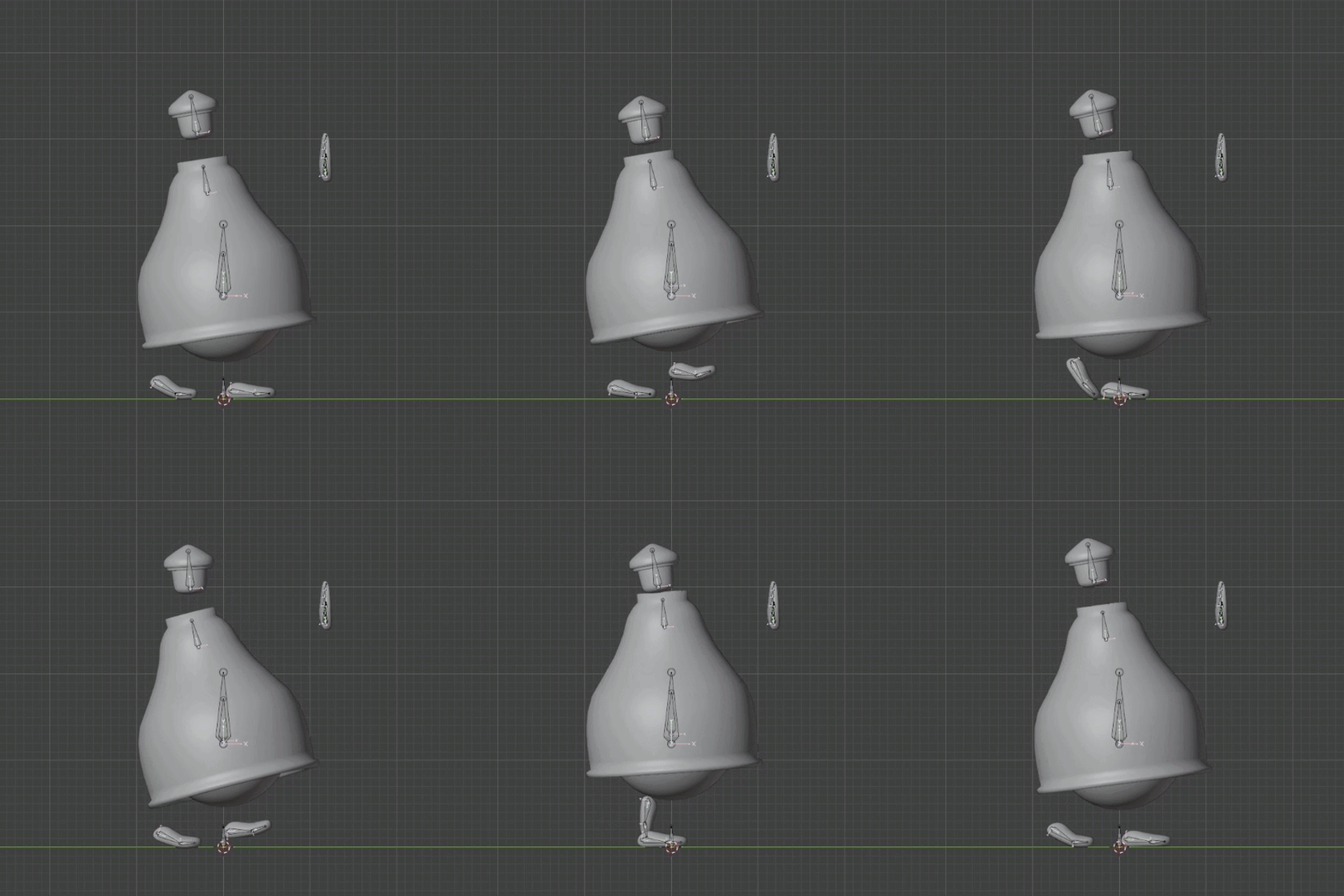
Our last course of the first year was a group project, and naturally, I wanted to put my new-found epiphany to use. The animations you see in this entry are first-time animations and just a handful of all the experiments I did as I started learning the craft.
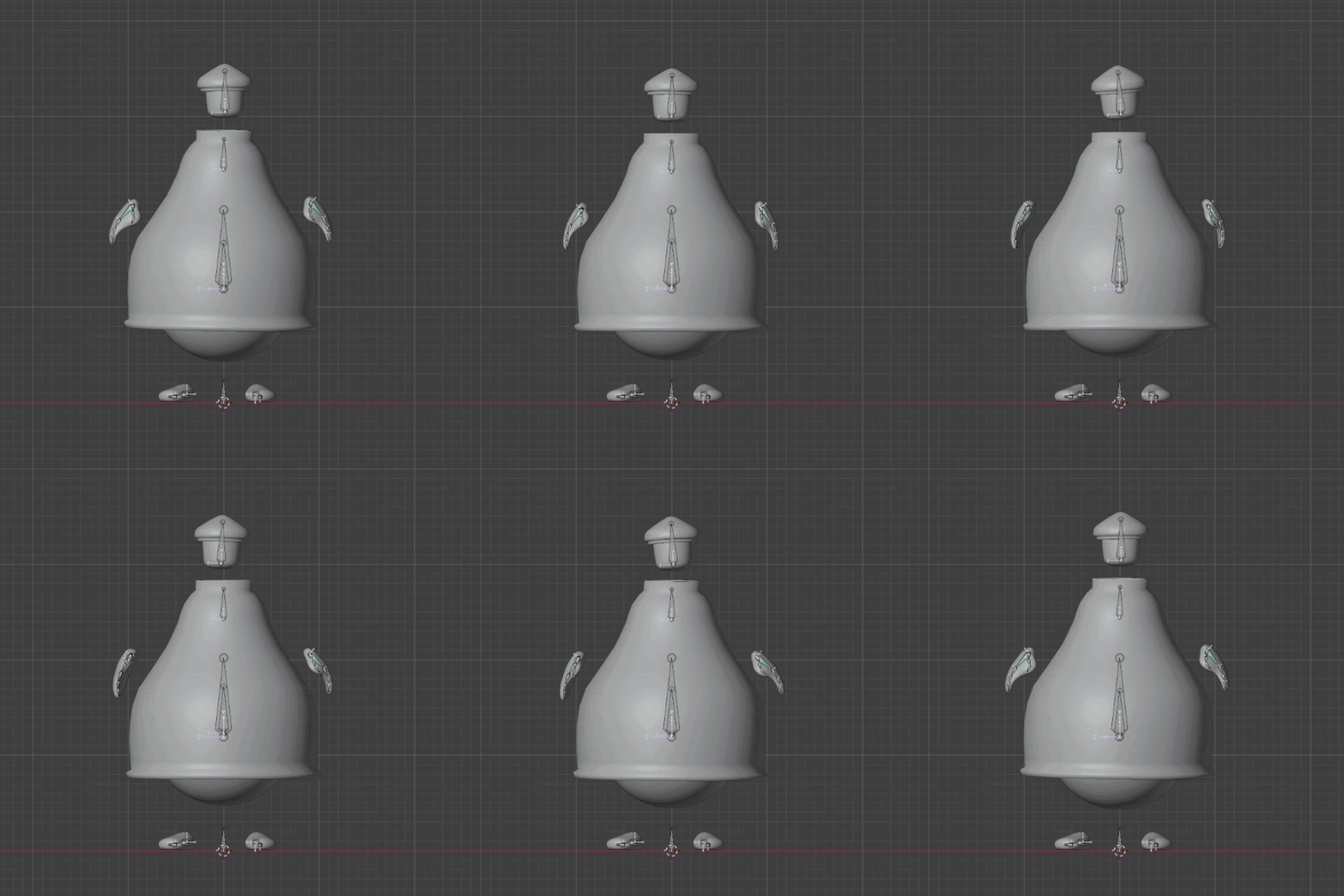
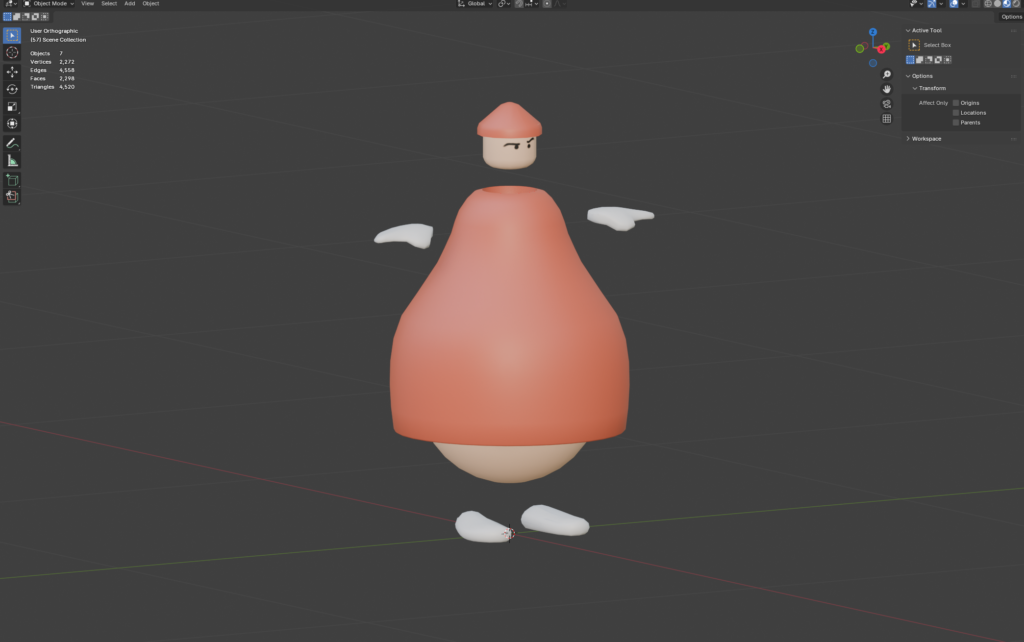
The character above was created from scratch by myself, from concept and character sheet, to 3D, to rigging and animations. All done in Blender. And you can read more about the process here.
As I head back to school for the second year, it’s now time to start shaping the rest of my journey, focusing in on Animation and VFX, making sure that whatever I do serves this purpose, learning the craft and understanding the process, in both theory and practice. And I hope to document the ride as much as possible here on the blog.
Stories of the Rust Belt is an exercise in narrative design — a space to explore voice, pacing, world-building, character perspective, storytelling, and writing without the pressure of a full game production pipeline.
It’s an attempt to tell stories while adhering to the rules of an existing world (ARC Raiders by Embark Studios), and to explain gameplay mechanics through lore, working both within set boundaries and gaps left open for speculation, imagination and creative freedom.
It’s the melding of canon with non‑canon fiction, for the sole purpose of learning and experimentation.
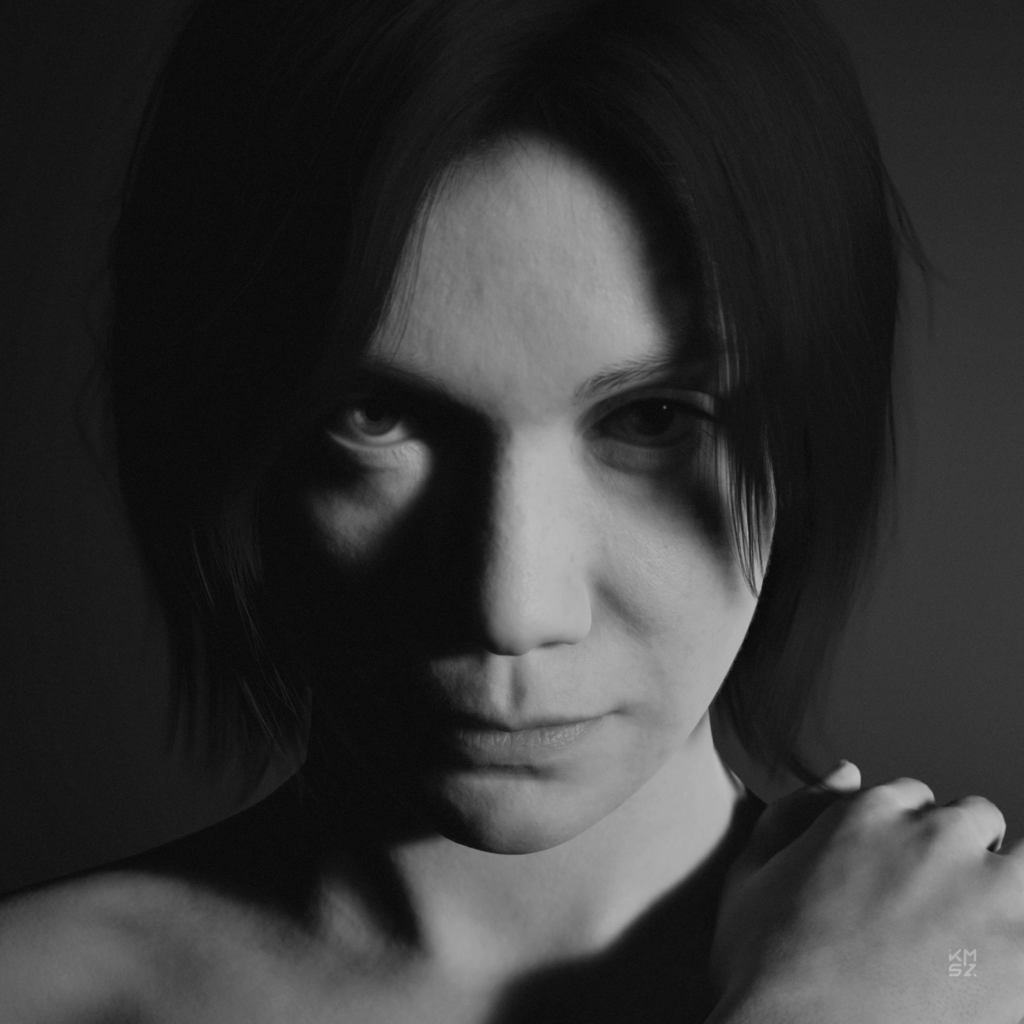
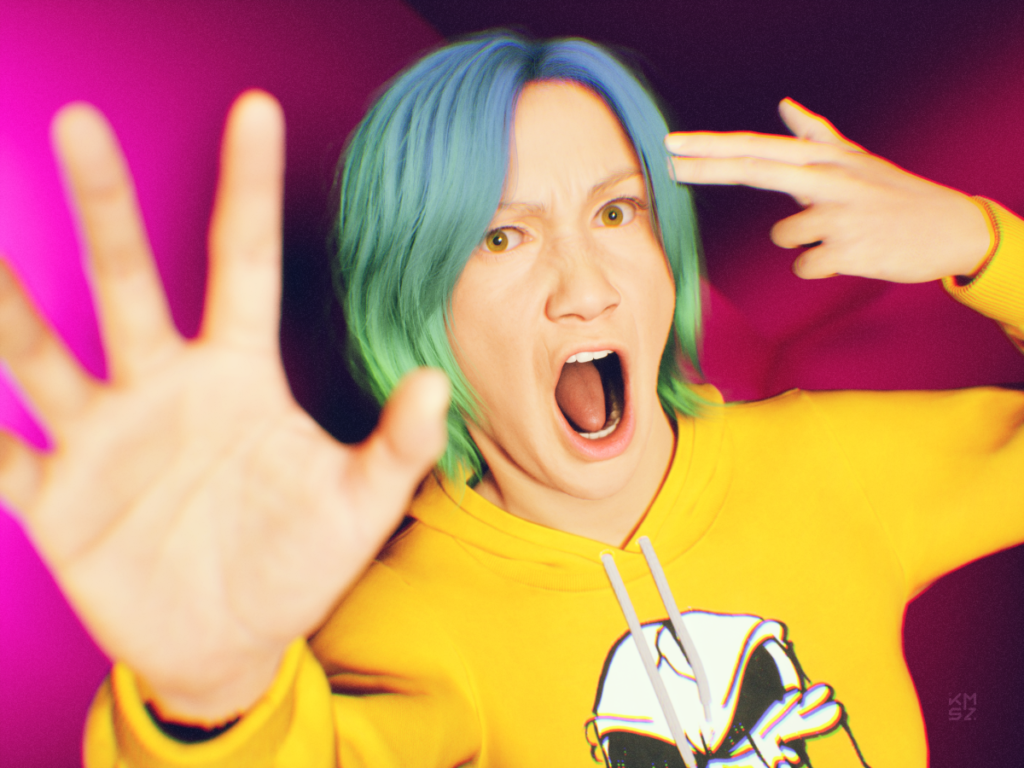
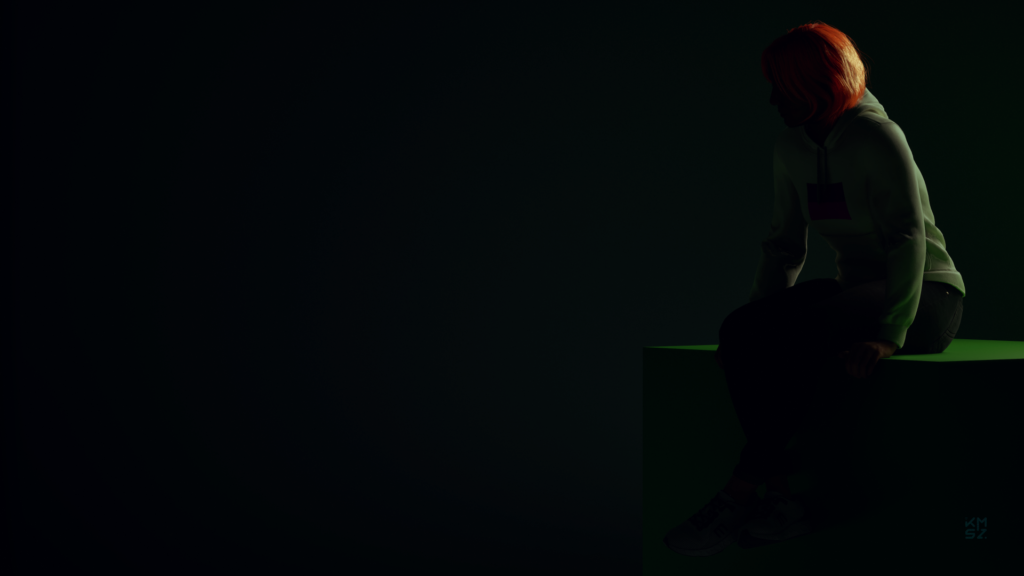
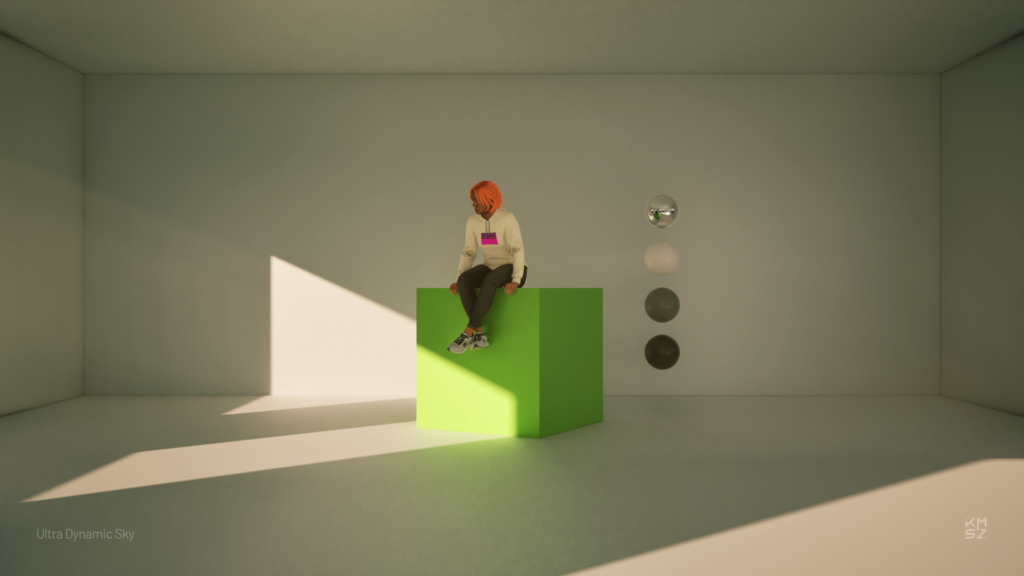
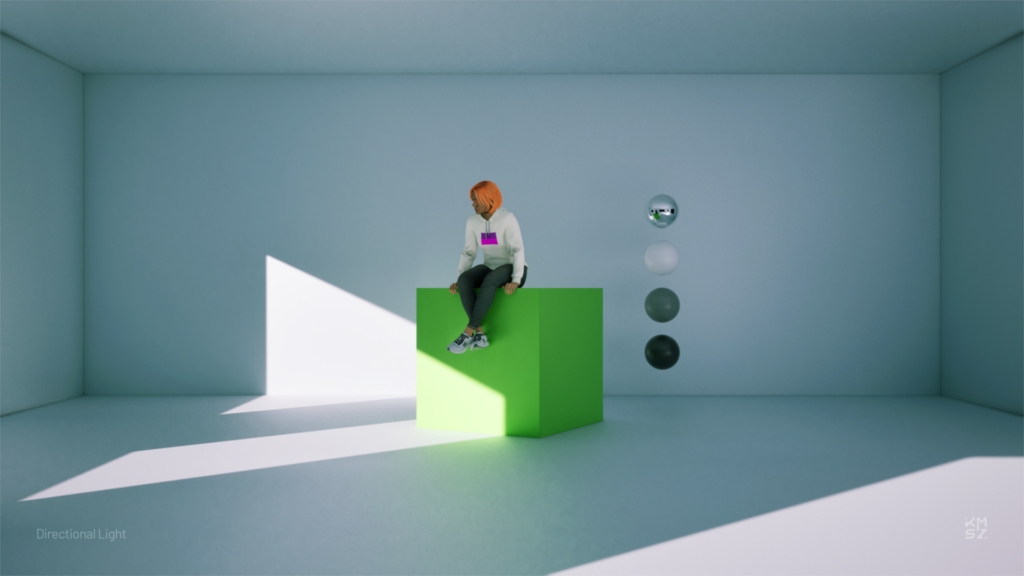
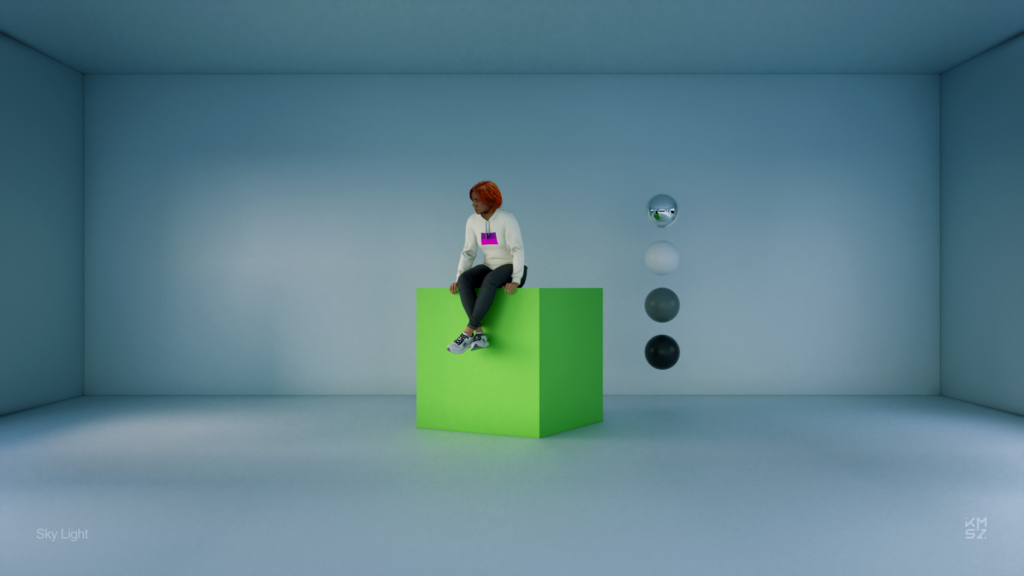
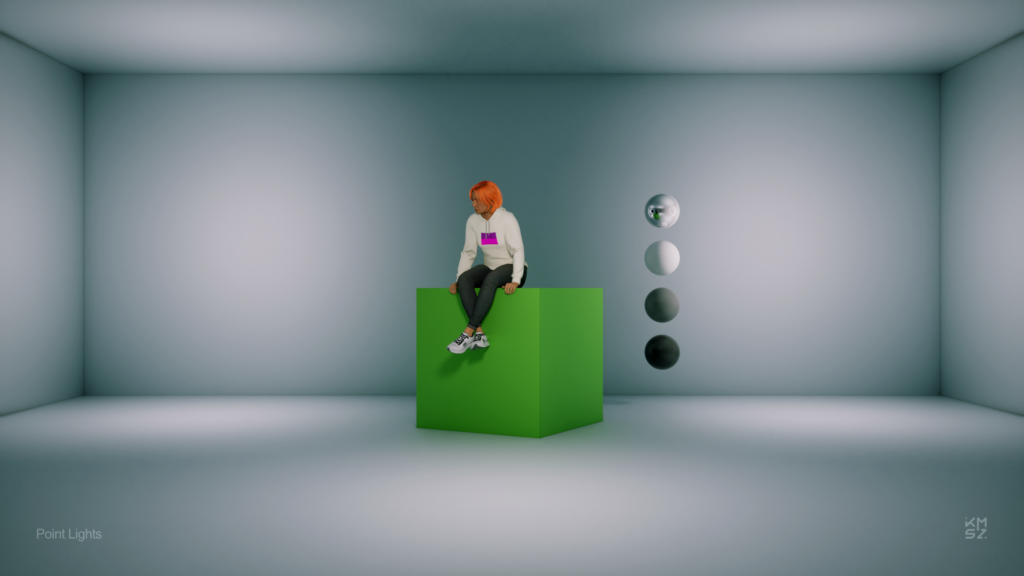
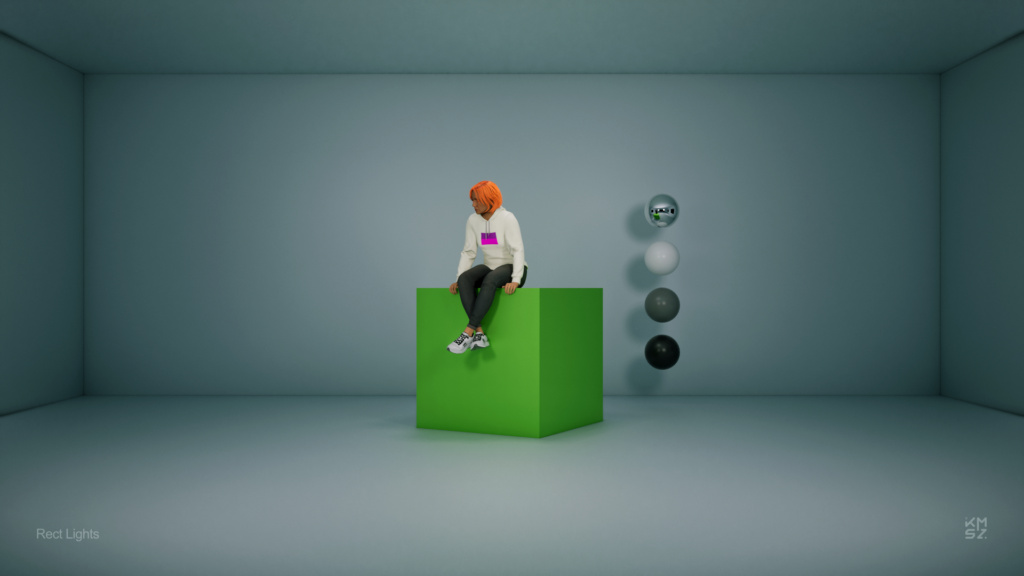
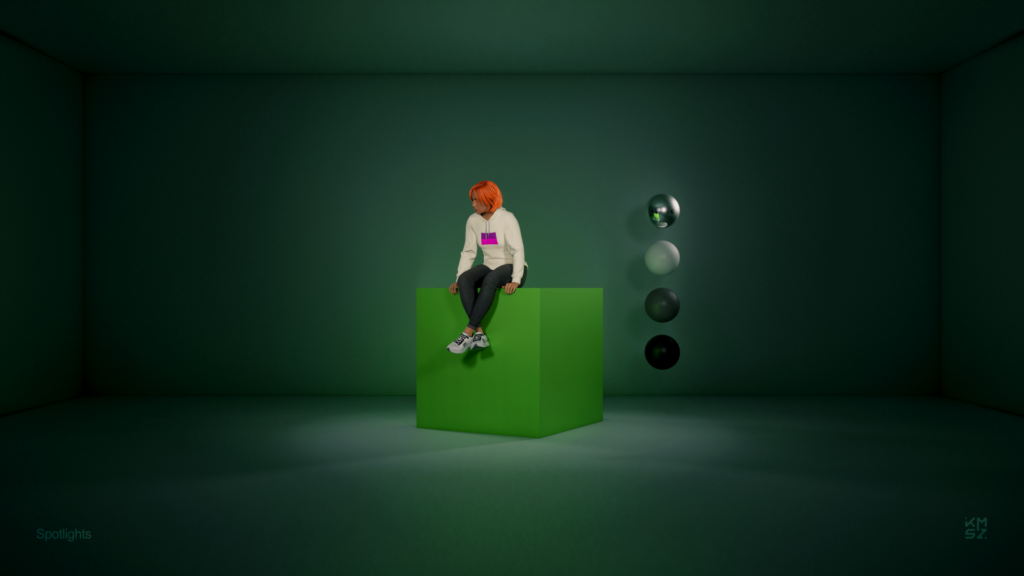
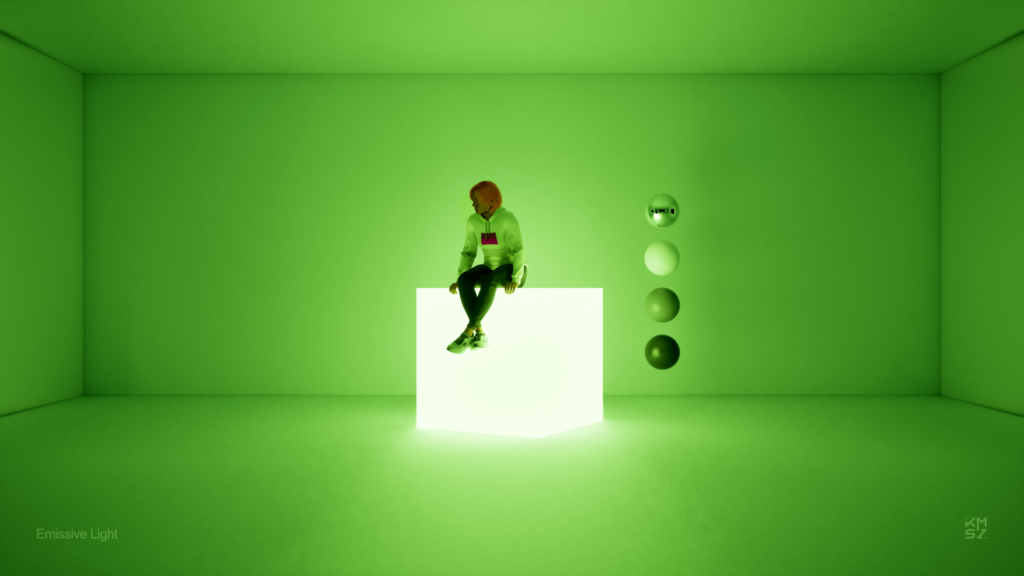
I wanted to try and set up a scene in Unreal Engine, with the goal of trying out the different lighting options and how they affect it. And to do that, I also tried out MetaHumans and learning to pose them using the control rig.